Anti-D-Dimer antibody
By great_watson-int,
Anti-D-Dimer antibody
AntigenDescriptionProperties
Safety InformationImagesOther Info

Antigen

NameD-Dimer
别名Fibrin degradation fragment; Fragment D-dimer

Description

NameAnti-D-Dimer antibody
别名D-dimer antibody, Anti-D-dimer antibody, Ddimer antibody, D dimer antibody
HostMouse; Goat; Rabbit
ReactivityAll species
Antibody Product Type  Primary
UseDetection; Capture
Conjugate Unconjugated; Biotin; APC; Alkaline Phosphatase (AP); FITC; HRP; PE
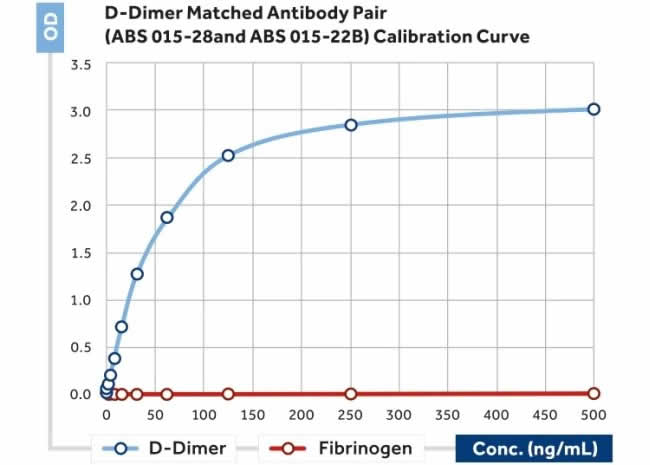
SpecifityIt recognises epitopes that reside between amino acids 86 and 302 in the gamma-chain of fragment D chains of fibrinogen (Fragment D) and other cross-linked fibrin degradation products containing D-Dimer, but no reactivity with Fragment D or E, fibrinogen or fibrinogen degradation products.
ApplicationELISA; Immunohistochemistry (IHC); Western Blotting (WB); Immunofluorescence (fixed cells) (IF/ICC); Immunoprecipitation (IP); Cell-ELISA (cELISA); Immunoassay (IA); Immunocytochemistry (ICC)

Properties

FormLiquid/Lyophilized
HandlingThe antibody solution should be gently mixed before use.
Storage ConditionStore at 4°C for frequent use. Stored at -20°C in a manual defrost freezer for a year without detectable loss of activity. Avoid repeated freeze-thaw cycles.
ClonalityMonoclonal/Polyclonal
IsotypeIgG

Safety Information

RIDADRNONH for all modes of transport
Flash Point(F) Not applicable
Flash Point(C) Not applicable

Images

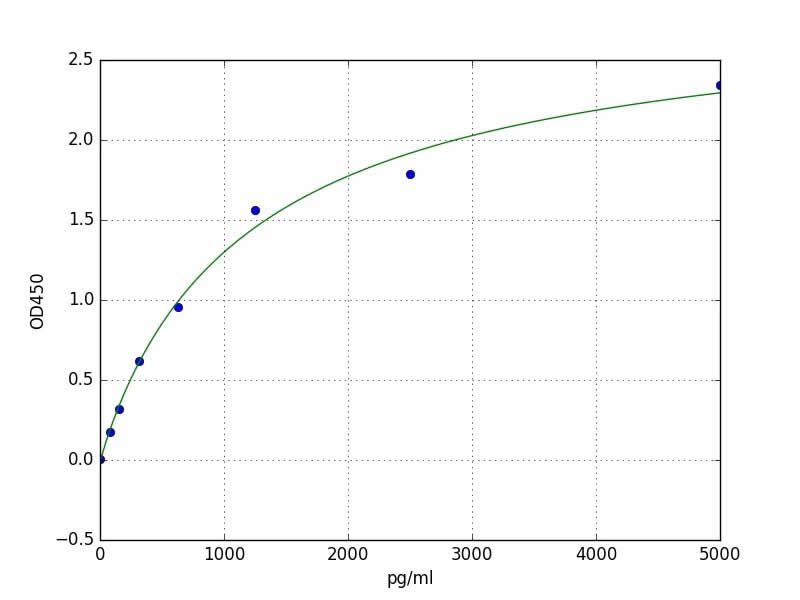
Anti-D-Dimer antibodyAnti-D-Dimer antibody

Other Info

About the antigenD-dimer (or D dimer) is a fibrin degradation product (or FDP), a small protein fragment present in the blood after a blood clot is degraded by fibrinolysis. It is so named because it contains two D fragments of the fibrin protein joined by a cross-link.
Clinical DiagnosisD-dimer concentration may be determined by a blood test to help diagnose thrombosis. Since its introduction in the 1990s, it has become an important test performed in subjects with suspected thrombotic disorders. While a negative result practically rules out thrombosis, a positive result can indicate thrombosis but does not rule out other potential causes. Its main use, therefore, is to exclude thromboembolic disease where the probability is low. In addition, it is used in the qualification of the blood disorder disseminated intravascular coagulation (DIC).
Elevated DDimer levels are found in cases of DIC, deep vein thrombosis (DVT) and pulmonary embolism (PE) but other circumstances may also lead to high levels such as old age, pregnancy, cancer, liver disease and infection.
Elevated concentrations of D-dimer can be observed in a variety of diseases and during fibrinolytic therapy (e.g. with streptokinase and t-PA). In all diseases with an elevated activation (e.g. thromboembolism and DIC) hyperfibrinolysis has been observed as the counter reaction to the elevated fibrin formation. D-dimer is a marker for this hyperfibrinolysis. Elevated D-dimer concentrations thus can be observed in thromboembolic diseases (pulmonary embolism, deep venous thrombosis), leukaemia and sepsis, intra- and postoperative, in physical and mental stress and during extra corporeal circulation.

Anti-CKMB (CK-MB, one isoenzyme of CK, creatine kinase CAS#: 9001-15-4, EC 2.7.3.2) antibody

By great_watson-int,
Anti-CKMB antibody in ELISA
AntigenDescriptionProperties
Safety InformationImagesOther Info

Antigen

NameCK-MB
别名CK MB; CPK MB; creatine kinase MB; 9001-15-4; 2.7.3.2

Description

NameAnti-CKMB antibody
别名KMB antibody, Anti-CKMB antibody, Creatine Kinase-MB Isoenzyme antibody, CK-MB antibody
HostMouse; Goat; Rabbit
ReactivityAll species
Antibody Product Type  Primary
UseDetection; Capture
Conjugate Unconjugated; Biotin; APC; Alkaline Phosphatase (AP); FITC; HRP; PE
SpecifityRecognizes CK-MB, one isoenzyme of CK, creatine kinase.
ApplicationELISA; Immunohistochemistry (IHC); Western Blotting (WB); Immunofluorescence (fixed cells) (IF/ICC); Immunoprecipitation (IP); Cell-ELISA (cELISA); Immunoassay (IA); Immunocytochemistry (ICC)

Properties

FormLiquid/Lyophilized
HandlingThe antibody solution should be gently mixed before use.
Storage ConditionStore at 4°C for frequent use. Stored at -20°C in a manual defrost freezer for a year without detectable loss of activity. Avoid repeated freeze-thaw cycles.
ClonalityMonoclonal/Polyclonal
IsotypeIgG

Safety Information

RIDADRNONH for all modes of transport
WGK Germany WGK 3
Flash Point(F) Not applicable
Flash Point(C) Not applicable

Images

Anti-CKMB antibody in ELISAAnti-CKMB antibody in ELISA

Other Info

About the antigenCreatine kinase (CK) is an enzyme expressed by various tissues and cell types. CK catalyses the conversion of creatine and consumes adenosine triphosphate (ATP) to create phosphocreatine and adenosine diphosphate (ADP). This CK enzyme reaction is reversible, such that also ATP can be generated from PCr and ADP. In the cells, the “cytosolic” CK enzymes consist of two subunits, which can be either B (brain type) or M (muscle type). There are, therefore, three different isoenzymes: CK-MM, CK-BB and CK-MB.
Clinical DiagnosisPatients with skeletal muscle disease, acute muscle exertion, chronic renal failure, and cocaine use can have elevations in levels of CK-MB in the absence of infarction. In order to distinguish true positive elevations (secondary to myocardial injury) from the false positive elevations (due to skeletal muscle injury), the measurement of CK-MB as a percentage of total CK has been used to calculate relative index. A CK-MB to CK ratio of > 6% is reported to be specific for myocardial injury, whereas a ratio of < 6% is consistent with skeletal muscle damage or non-cardiac causes.

Anti-NT-ProBNP (Pro-Brain Natriuretic Peptide CAS#: 124584-08-3, 114471-18-0) Antibody

By great_watson-int,
Anti-NT-ProBNP Antibody WB
AntigenDescriptionProperties
Safety InformationImagesOther Info

Antigen

NameNT-proBNP
别名Pro-Brain Natriuretic Peptide; 114471-18-0; 124584-08-3; NPPB; BNP; Natriuretic peptides B; Natriuretic peptide B; Natriuretic protein; Brain type natriuretic peptide
SequenceMHHHHHHPLG SPGSASDLET SGLQEQRNHL QGKLSELQVE QTSLEPLQES PRPTGVWKSR EVATEGIRGH RKMVLYTLRA PR
SDS-pageNT-proBNP-SDS-PAGE-and-WB
Platform detectionNT-proBNP-analysis-platform

Description

NameAnti-NT-ProBNP Antibody
别名N-Terminal pro Brain Natriuretic Peptide antibody; proBNP antibody; N-Terminal pro Brain Natriuretic Peptide antibody; proBNP antibody; NPPB antibody; NPPB antibody
HostMouse; Goat; Rabbit
ReactivityAll species
Antibody Product Type  Primary
Conjugate Unconjugated; Biotin; APC; Alkaline Phosphatase (AP); FITC; HRP; PE
SpecifityThe antibody is raised against NT-ProBNP. It has been selected for its ability to recognize NT-ProBNP.
ApplicationELISA; Immunohistochemistry (IHC); Western Blotting (WB); Immunofluorescence (fixed cells) (IF/ICC); Immunoprecipitation (IP); Cell-ELISA (cELISA); Immunoassay (IA); Immunocytochemistry (ICC)

Properties

FormLiquid/Lyophilized
HandlingThe antibody solution should be gently mixed before use.
Storage ConditionStore at 4°C for frequent use. Stored at -20°C in a manual defrost freezer for a year without detectable loss of activity. Avoid repeated freeze-thaw cycles.
ClonalityMonoclonal/Polyclonal
IsotypeIgG

Safety Information

RIDADRNONH for all modes of transport
WGK Germany WGK 3
Flash Point(F) Not applicable
Flash Point(C) Not applicable

Images

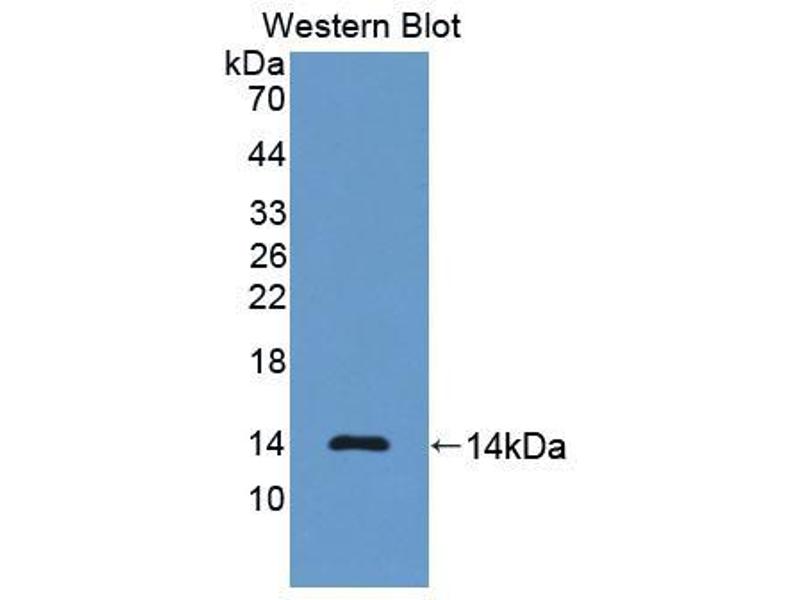
Anti-NT-ProBNP Antibody WBAnti-NT-ProBNP Antibody WB
Thyroxine T4 Antibody in WBAnti-NT-ProBNP Antibody IHC-P

Other Info

About the antigenThe N-terminal prohormone of brain natriuretic peptide (NT-proBNP) is a 76 amino acid N-terminal fragment of brain natriuretic peptide. Both BNP and NT-proBNP levels in the blood are used for screening, diagnosis of acute congestive heart failure (CHF) and may be useful to establish prognosis in heart failure, as both markers are typically higher in patients with worse outcome. Both BNP and NT-proBNP levels in the blood are used for screening, diagnosis of acute congestive heart failure (CHF) and may be useful to establish prognosis in heart failure, as both markers are typically higher in patients with worse outcome. The plasma concentrations of both BNP and NT-proBNP are also typically increased in patients with asymptomatic or symptomatic left ventricular dysfunction and is associated with coronary artery disease and myocardial ischemia.

Anti-cTnI (Troponin I CAS#: 7108-40-8) Antibody

By great_watson-int,
Anti-cTnI Antibody in ELISA
AntigenDescriptionProperties
Safety InformationImagesOther Info

Antigen

NameTroponin I
别名Troponin I; Human Heart; hcTnI; 7108-40-8

Description

NameAnti-cTnI Antibody
别名Troponin I cardiac (cTnI), antibody; Anti-Troponin I antibody; Cardiac Troponin I antibody; Cardiac Troponin antibody; Cardiac Troponin I antibody; Anti Troponin I antibody; Cardiac Troponin antibody; Troponin I antibody
HostMouse; Goat; Rabbit
ReactivityAll species
Antibody Product Type  Primary
Conjugate Unconjugated; Biotin; APC; Alkaline Phosphatase (AP); FITC; HRP; PE
SpecifityThree antibodies are available. Antibody 1 recognizes CtnI-TnC. Antiboday 2 recognizes CtnI-TnT-TnC and Antibody 3 only recognizes CtnI, which does not cross-react with the other two.
ApplicationELISA; Immunohistochemistry (IHC); Western Blotting (WB); Immunofluorescence (fixed cells) (IF/ICC); Immunoprecipitation (IP); Cell-ELISA (cELISA); Immunoassay (IA); Immunocytochemistry (ICC)

Properties

FormLiquid/Lyophilized
HandlingThe antibody solution should be gently mixed before use.
Storage ConditionStore at 4°C for frequent use. Stored at -20°C in a manual defrost freezer for a year without detectable loss of activity. Avoid repeated freeze-thaw cycles.
ClonalityMonoclonal/Polyclonal
IsotypeIgG

Safety Information

RIDADRNONH for all modes of transport
WGK Germany WGK 3
Flash Point(F) Not applicable
Flash Point(C) Not applicable

Images

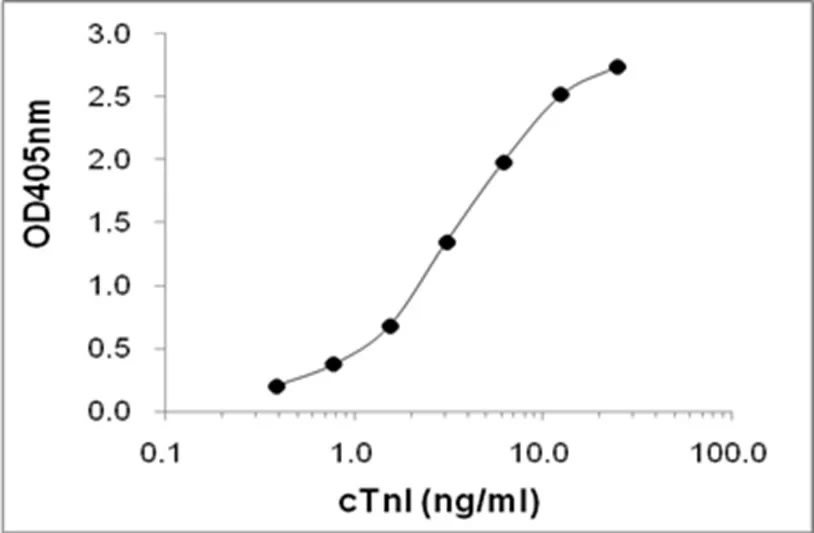
Anti-cTnI Antibody in ELISAAnti-cTnI Antibody in ELISA
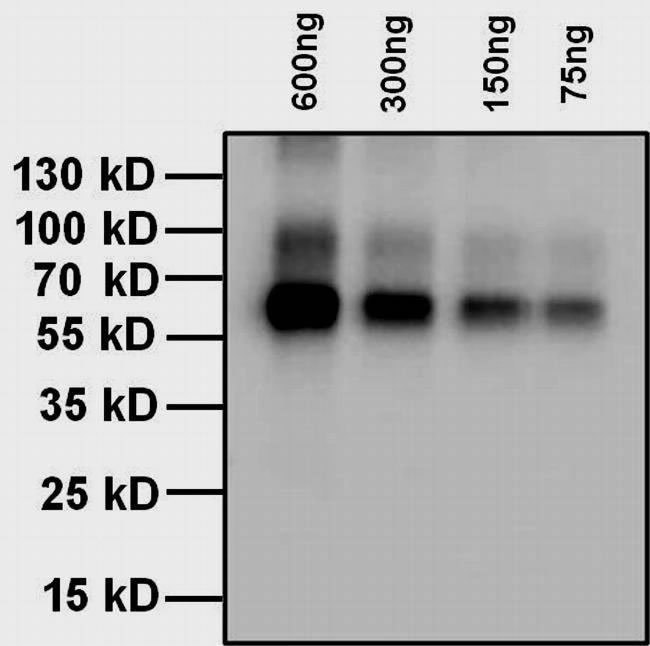
Anti-cTnI Antibody in WBAnti-cTnI Antibody in WB

Other Info

About the antigenHuman troponin I is presented in cardiac muscle tissue by a single isoform with molecular weight 23876 Da and it consists of 209 amino acid residues. cTnI molecule contains two serines in the 22 and 23 positions. Both amino acid residues can be phosphorylated in vivo by protein kinase A, so four forms of protein – one dephospho, two monophospho and one bisphospho – can coexist in the cell. Cardiac Troponin T is the tropomyosin-binding subunit of the troponin complex, which is located on the thin filament of striated muscles and regulates muscle contraction in response to alterations in intracellular calcium ion concentration. Cardiac Troponin T is important in proper muscle function and myofibril formation. In the human heart, four cTnT isoforms are expressed in a developmentally regulated manner. Cardiac Troponin T expression in the human heart is affected by heart failure. Mutations within the Cardiac Troponin T protein have been associated with familial hypertrophic cardiomyopathy as well as with dilated cardiomyopathy. Transcripts for the Cardiac Troponin T gene undergo alternative splicing that results in many tissue-specific isoforms.