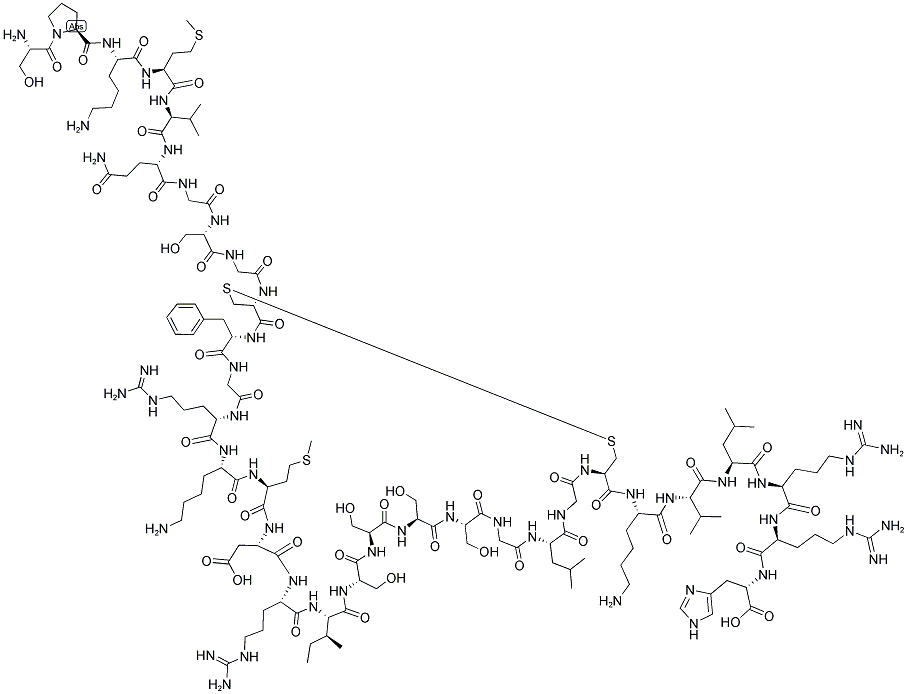
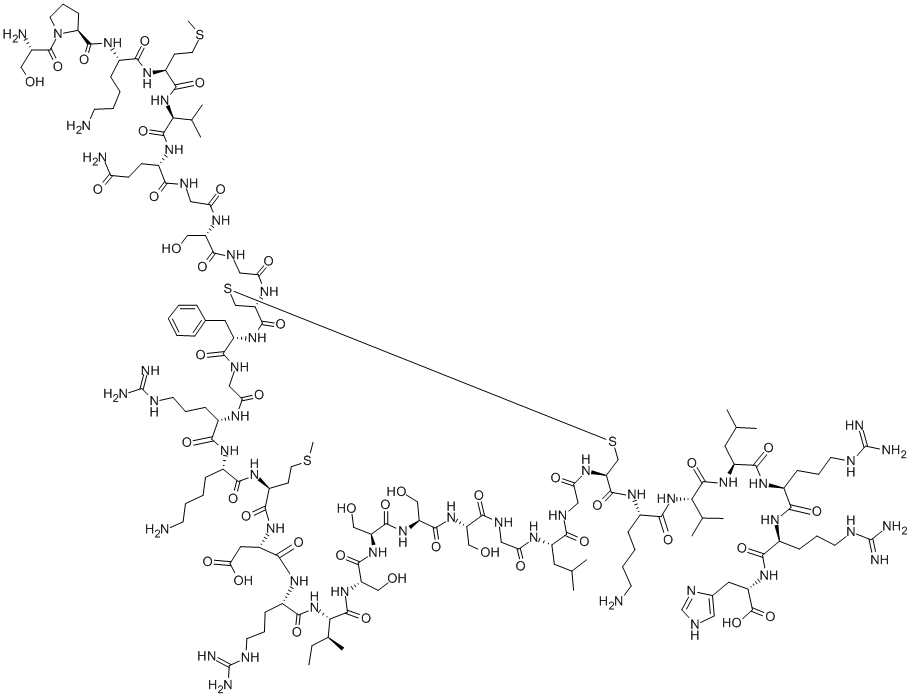
Anti-NT-ProBNP (Pro-Brain Natriuretic Peptide CAS#: 124584-08-3, 114471-18-0) Antibody
Antigen
| Name | NT-proBNP |
| 别名 | Pro-Brain Natriuretic Peptide; 114471-18-0; 124584-08-3; NPPB; BNP; Natriuretic peptides B; Natriuretic peptide B; Natriuretic protein; Brain type natriuretic peptide |
| Sequence | MHHHHHHPLG SPGSASDLET SGLQEQRNHL QGKLSELQVE QTSLEPLQES PRPTGVWKSR EVATEGIRGH RKMVLYTLRA PR |
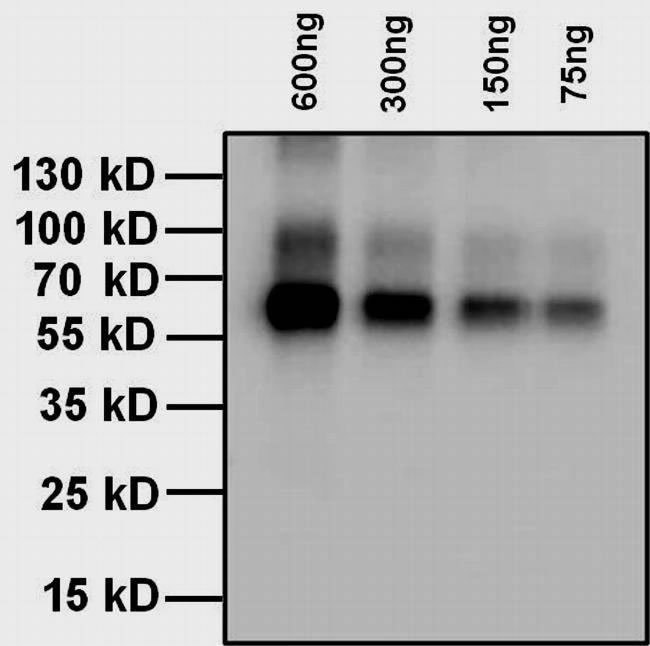
| SDS-page |  |
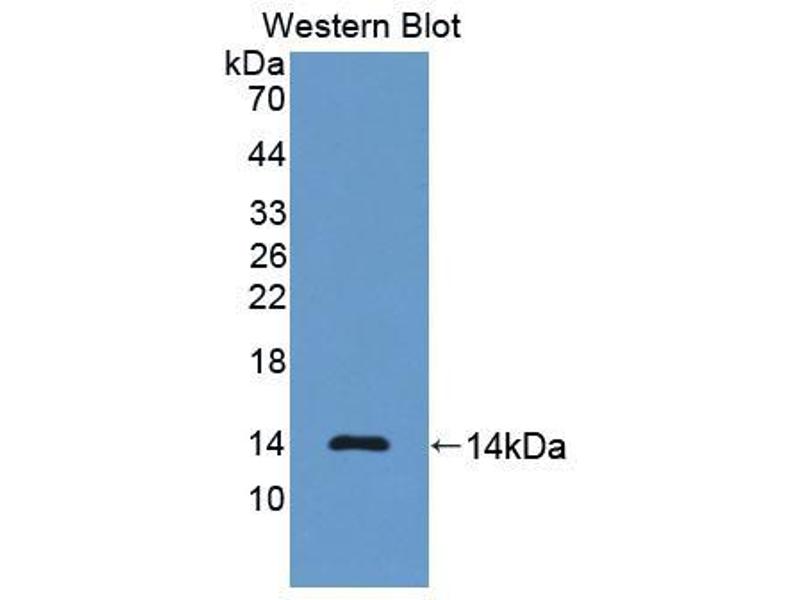
| Platform detection |  |
Description
| Name | Anti-NT-ProBNP Antibody |
| 别名 | N-Terminal pro Brain Natriuretic Peptide antibody; proBNP antibody; N-Terminal pro Brain Natriuretic Peptide antibody; proBNP antibody; NPPB antibody; NPPB antibody |
| Host | Mouse; Goat; Rabbit |
| Reactivity | All species |
| Antibody Product Type | Primary |
| Conjugate | Unconjugated; Biotin; APC; Alkaline Phosphatase (AP); FITC; HRP; PE |
| Specifity | The antibody is raised against NT-ProBNP. It has been selected for its ability to recognize NT-ProBNP. |
| Application | ELISA; Immunohistochemistry (IHC); Western Blotting (WB); Immunofluorescence (fixed cells) (IF/ICC); Immunoprecipitation (IP); Cell-ELISA (cELISA); Immunoassay (IA); Immunocytochemistry (ICC) |
Properties
| Form | Liquid/Lyophilized |
| Handling | The antibody solution should be gently mixed before use. |
| Storage Condition | Store at 4°C for frequent use. Stored at -20°C in a manual defrost freezer for a year without detectable loss of activity. Avoid repeated freeze-thaw cycles. |
| Clonality | Monoclonal/Polyclonal |
| Isotype | IgG |
Safety Information
| RIDADR | NONH for all modes of transport |
| WGK Germany | WGK 3 |
| Flash Point(F) | Not applicable |
| Flash Point(C) | Not applicable |
Images

Other Info
| About the antigen | The N-terminal prohormone of brain natriuretic peptide (NT-proBNP) is a 76 amino acid N-terminal fragment of brain natriuretic peptide. Both BNP and NT-proBNP levels in the blood are used for screening, diagnosis of acute congestive heart failure (CHF) and may be useful to establish prognosis in heart failure, as both markers are typically higher in patients with worse outcome. Both BNP and NT-proBNP levels in the blood are used for screening, diagnosis of acute congestive heart failure (CHF) and may be useful to establish prognosis in heart failure, as both markers are typically higher in patients with worse outcome. The plasma concentrations of both BNP and NT-proBNP are also typically increased in patients with asymptomatic or symptomatic left ventricular dysfunction and is associated with coronary artery disease and myocardial ischemia. |